On November 29 and 30, 2025, activists, midwives, researchers, community organizations and families gathered at the University of Quebec at Trois-Rivières for the Summit of the Estates General of Midwifery Practice, a landmark event for the future of this profession in Quebec.
For The Movement for Autonomy in Childbirth (MAE) and the Respectful Births Network (RNR), the Summit was more than a consultation. It was an opportunity to ensure that the voices of women, pregnant people, families, and those directly affected by perinatal services were included in conversations shaping the future of care across the province.
At the end of the Summit, 19 recommendations were adopted, addressing issues ranging from regional inequities in access to birthing centers to collaborative care models and the protection of midwifery’s distinct philosophy of care.
While the recommendations mark an important milestone, the Summit also revealed something deeper: a growing collective determination to protect childbirth as a normal part of life while ensuring families have reliable access to care and support.
A Strong Civic Presence at the Table
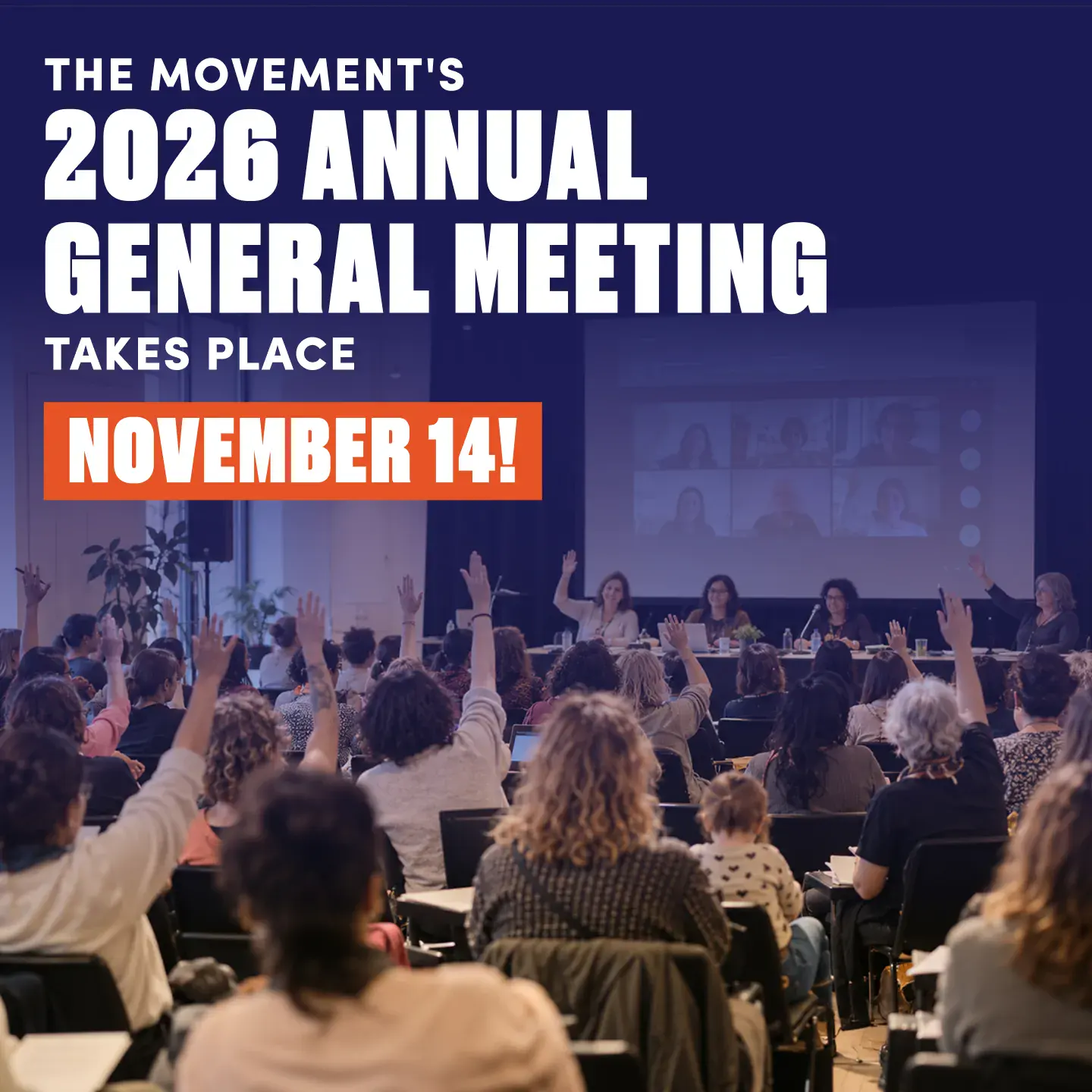
One of the defining features of the Summit was the strong participation from civil society. Nearly one-third of participants represented citizens, community organizations, and citizen collectives, whose diverse experiences directly shaped the direction of the conversations.
“Yes, citizen participation influenced the discussions and conclusions of the Summit,” said Sarah Landry, General Coordinator of the Movement. “Without it, the understanding of the needs of women and gender-diverse people would not have been the same!”
Most of the Summit was dedicated to collaborative workshops where participants identified challenges before developing recommendations related to accessibility and the future of midwifery over the next twenty years.
While many discussions led to consensus, others revealed ongoing tensions surrounding and concerns about preserving the core philosophy of midwifery in Québec. These conversations created space for difficult exchanges about the realities facing families and care providers across the province. These conversations will need to continue to develop a common vision of the field of practice for the years to come.
The process created a “rich exchange of ideas that gives us hope.” As stated in the December 3 press release by Marie-Eve Blanchard, Executive Director of the RNR, explained, “Midwifery practice cannot be separated from the feminist movement from which it emerged.”
“One of the strong messages of this movement was to consider pregnancy and childbirth as normal processes and not pathological ones,” she continued. “It was essential for us that citizens’ voices, in all their diversity, be influential so that midwifery services truly meet the needs of the entire population and not just the most privileged members of society, as is currently the case.”
Regional Inequities Remain a Growing Concern
Many of the concerns raised during the Summit were not new. Over the past year, the Movement has toured several regions across Québec, from Sept-Îles to Gatineau, including the Magdalen Islands, the Gaspé Peninsula, the Laurentians, Chicoutimi, meeting with families, parent committees, citizen groups, and perinatal organizations to better understand the realities shaping childbirth experiences across the province.
While each region faces its own challenges, several common themes emerged throughout the tour:
- Service disruptions, particularly in obstetrics
- Unequal access to midwifery care
- Lack of information regarding birthing options and patients’ rights
- Growing concerns about the medicalization of childbirth
In some regions, families were forced to travel long distances to access care, while others expressed fear around hospital transfers, limited postpartum support, or pressure to abandon their original birth plans.
These are precisely the issues that were raised repeatedly during the discussions at the General Summit that shaped many of the resulting recommendations.
The main priorities identified include expanding access to birthing facilities and maintaining flexible organizational structures that preserve families’ ability to choose where they give birth. Participants also emphasized the importance of continuing to develop and fund midwife-led care models in collaboration with local communities and service users themselves.
Additional recommendations highlighted the need to revitalize and decolonize perinatal care practices, while expanding training opportunities for people in remote regions and Indigenous communities.
For Landry, ensuring those realities were reflected in the recommendations was essential. “We hope that these recommendations will make midwifery services more responsive to the realities of vulnerable and marginalized communities,” she explained.
Protecting the Philosophy of Midwife Practice
Beyond accessibility, another major theme emerged from the Summit: the protection of the philosophy of midwifery practice.
Throughout the discussions, participants reinforced that pregnancy, childbirth, and breastfeeding must be recognized as normal physiological processes supported through a holistic and compassionate approach. Several also stressed the importance of preserving access to birthing centers, home births and other models of care outside the traditional hospital setting.
Those concerns became especially important in conversations about the growing medicalization of childbirth and the changing role midwives are increasingly being asked to play within Québec’s healthcare system.
Ahead of the Summit, Sarah Landry stressed that midwives should not be relied upon to make up for labour shortages.
“We must not compensate for the healthcare system’s labour shortage with midwifery positions that only work in hospitals,” she explained. “We can reduce the pressure on the system by ensuring the necessary conditions for maintaining the specific nature of midwifery practice.”
She continued, “We must maintain midwives’ ability to support home births. We want recognition of their expertise rather than the medicalization of childbirth.”
Concerns About Medicalization and Government Commitment
While the Summit of the Estates General of Midwifery Practice generated momentum around several priorities, it also highlighted tensions regarding the government’s overall vision for midwifery practice in Quebec.
At the beginning of the Summit, Stéphane Bergeron, Assistant Deputy Minister of Physical and Pharmaceutical Health at the Ministry of Health and Social Services, identified staffing shortages and midwife retention as major barriers to accessibility.
While participants agreed increasing access to services is urgently needed, many expressed concerns over how the government plans to achieve that expansion. Currently, the government is aiming for only 15% of prenatal care to be provided by midwives within the next fifteen years, despite more than a decade of slow progress in increasing access to these services.
Participants also expressed concerns about the growing pressure to integrate midwives into hospital-centred systems in a way that could compromise the relational continuity of care that has historically defined the profession.
“Using midwives in hospitals to address staffing shortages is a false solution: not only will it not solve the health system crisis, but it risks medicalizing care and compromising safety, since safety relies, among other things, on establishing a relationship that could be weakened if the Ministry proceeds with its vision,” worries Sarah Landry.
The Summit also exposed challenges within the consultation process itself. Not everyone found it easy to express themselves, particularly after some participants felt the broad outlines of the ministerial vision had already been established during the opening remarks.
At the same time, difficult discussions emerged and how these issues can be addressed without abandoning the foundations of midwifery care in Quebec.
It became clear that improving access to care will require finding a balance between changes in supply and preserving the models and values that are at the heart of midwifery practice.
From Recommendations to Collective Action
For the Movement and its partners, the Summit of the General Assembly of Midwifery Practice was never intended to end with recommendations alone. The next phase of work will focus on advocacy, accountability, and mobilization at both local and provincial levels. A national advocacy strategy is already being developed alongside members and community groups, directly informed by concerns expressed across Québec’s regions.
The Movement is also preparing a platform of commitments aimed at engaging future provincial election candidates on issues related to perinatal rights, access to care, and the transformation of birth culture in Québec. Tools and resources will be developed to help members confidently engage with local and regional candidates.
The discussions in Trois-Rivières made one thing clear: families across Québec are not only asking for expanded access to care, but for a broader transformation in how childbirth is understood and supported. The Summit of the General Assembly of Midwifery Practice created space for collective reflection and difficult conversations but also shared priorities. What happens next will determine whether that momentum leads to lasting structural change, and whether the vision advanced by participants will truly reshape the future of perinatal care in Québec.