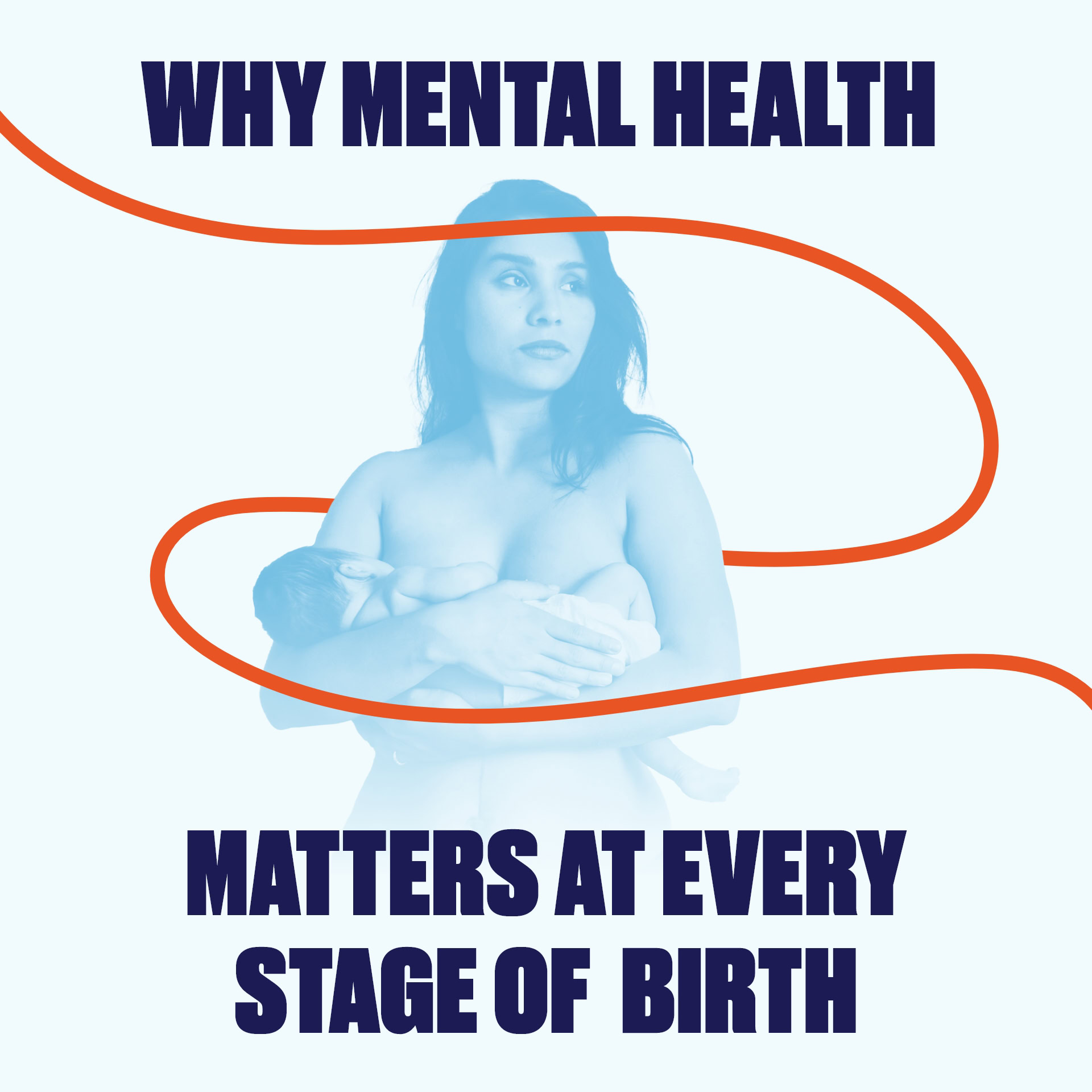
For many, the journey to parenthood begins not with a positive pregnancy test, but with months – sometimes years – of emotional preparation. Whether someone is navigating fertility challenges, processing a past trauma, or simply adapting to the changes that come with pregnancy, mental health is present at every stage of birth. And yet, it remains one of the least discussed (and least supported) aspects of perinatal care.
In celebration of Mental Health Awareness Month and World Childbirth Week (WCW), both observed in May, The Movement is creating a space for reflection on the emotional experiences that shape pregnancy, birth, and postpartum. When we openly discuss mental health, we affirm that no one is alone with what they are feelings, and we take another step toward building a system that values care in all its forms.
Before Birth: Preparing the Mind Alongside the Body
Whether planned or unexpected, conception brings up a complex mix of emotions. Excitement and joy may coexist with anxiety, grief, or fear. For individuals experiencing fertility challenges, this stage can be particularly distressing. Studies have found that people navigating infertility have comparable levels of anxiety and depression to those facing serious medical conditions like cancer or heart disease. And yet, these emotional effects are often minimized or treated as “secondary.”
Even for those who conceive easily, early pregnancy can feel overwhelming. The body begins to change rapidly, and societal expectations about “maternal joy” may clash with what someone is feeling, especially if they’re coping with nausea, isolation, or complicated personal circumstances.
Mental health support at this stage isn’t just important – it’s preventative. Research has demonstrated that untreated anxiety or depression during pregnancy increases the risk of complications and may negatively affect fetal development. But when people are supported early on, they’re more likely to feel confident and equipped as they move toward birth.
During Birth: The Power (and Risk) of the Environment
Birth is not just a physical process – it’s a psychological event. And the environment in which it takes place can profoundly affect someone’s mental well-being. When birth unfolds in a supportive setting – where the birthing person feels respected, informed, and heard – it can be a transformative, even empowering experience. But when those elements are missing, the psychological impact can be lasting. Research has shown that disrespectful or coercive treatment during childbirth, also known as obstetric violence, can lead to trauma responses similar to those seen in survivors of other forms of violence.
For individuals with a history of trauma, birth may also resurface past experiences, especially if control, consent, or bodily autonomy are undermined during the process. This makes it even more important to ensure that birth is not just medically safe, but emotionally safe as well.
After Birth: Postpartum Realities and Silent Struggles
The postpartum period is often framed as joyful – a time of bonding, celebration, and “baby bliss.” But for many, this stage also includes grief, exhaustion, anxiety, and profound emotional shifts.
Postpartum depression (PPD) affects about 23% of people who give birth in Canada, according to a 2019 report by Statistics Canada. And that number doesn’t include other common struggles like postpartum anxiety, intrusive thoughts, or birth-related PTSD. What’s more, these conditions are often underdiagnosed, particularly among racialized, Indigenous, and marginalized communities, where systemic barriers and cultural stigma may prevent people from seeking or receiving help.
Acknowledging this reality isn’t about fear. It’s about preparation. Families deserve to know what’s normal, what’s common, and when to ask for support. Just as we prepare for labour by learning about contractions and breathing, we must prepare for postpartum by talking openly about mental health.
Moving Forward: Tools for Confidence and Care
Perinatal mental health is not just a clinical issue – it is a social justice issue. When emotional well-being is neglected, people already marginalized by the system are at increased risk of harm. But fortunately, small actions can make all the difference.
Here are a few ways to support mental health throughout the journey to birth:
- Normalize conversations: Discussing fears, sadness, or uncertainty helps break down the stigma and creates space for support.
- Prepare emotionally, not just physically: Mental health check-ins should be part of every birth plan.
- Create Supportive Environments: Whether in hospitals, birth centers, or homes, the presence of trusted support people can reduce anxiety and promote calm.
- Know Your Rights: Feeling informed and respected during birth can reduce the likelihood of trauma and support recovery.
- Reach Out Early: If you or someone you know is struggling, don’t wait. Support is available, and help early on leads to better outcomes.
Respect in childbirth extends beyond merely preventing harm. It means recognizing the whole person behind the pregnancy. Mental health is a crucial aspect of this. By creating space for emotional needs along with physical ones, we empower families not only with the chance to give birth but also with the power to do so with confidence, clarity, and care.